

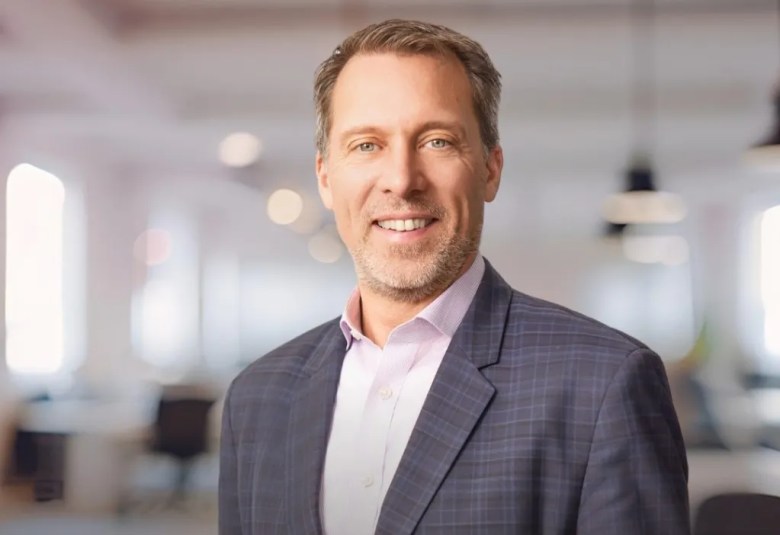
South Arts, the nine-state regional arts organization, will enter a transitional year in 2026, and so will Atlanta civic leader Doug Shipman, who becomes the organization’s next president and CEO in January. In a conversation with Rough Draft Atlanta’s Sketchbook, Atlanta’s outgoing City Council President shared why this move represents a return to his roots — and what he believes the Southeast’s arts ecosystem needs most right now.
Here are five things to know as Shipman steps into the role.
1. He’s returning to arts leadership, but now with a regional lens
Shipman has led major Atlanta institutions — including the National Center for Civil and Human Rights (NCCHR) and the Woodruff Arts Center — but South Arts gives him something different: scale.
The organization funds artists and arts groups across disciplines, runs major awards and fellowships, and works directly with state arts agencies. For Shipman, the appeal was immediate. The job centers on building systems that help artists thrive, whether they’re part of a metropolitan arts scene or working in rural communities
2. His rural Southern upbringing shapes how he sees the work
Shipman grew up in rural Arkansas, and that background remains central to how he understands creative ecosystems. He talks about the Southeast as a region with “an incredible array of stories” — from coastal Geechee communities to Appalachian traditions to the Latino and immigrant communities reshaping cities like Atlanta. For Shipman, serving the Southest means recognizing that cultural richness is already here; the work is supporting and sustaining it.
3. He’s stepping in as public arts funding pulls back.
A major thread in Shipman’s early thinking: the National Endowment for the Art’s reduction and refocusing of grant support, which can account for 20% or more of some organizations’ budgets. Shipman sees this as a defining challenge for the next decade. South Arts, he says, can help by:
- Funding artists and organizations directly
- Identifying new models to replace lost state and federal dollars
- Making a cohesive regional case to national philanthropy and private funders
- Creating a long-term roadmap for sustainable arts investment in the Southeast
4. He believes the South is a cultural leader — but the infrastructure hasn’t caught up.
Shipman notes that artists often begin their careers in the South, leave for national visibility, and return only after establishing their names elsewhere.
Read More:
• Doug Shipman will not run for re-election as Atlanta City Council president
• Paint Love pushes forward despite NEA cuts, thanks to emergency philanthropic support
For him, reversing that pattern requires:
- Policy that protects creative space
- Zoning and real estate strategies that keep arts districts viable
- Economic development models that treat arts and culture as an industry, not a side benefit
- Pipelines that support artists across the lifespan of their careers
He points to film and TV as proof that strong infrastructure can keep creative workers rooted here.
5. He’s not an artist; he’s a catalyst.
Shipman is clear about his role: he is not a maker of artworks but a builder of systems that allow artists to work more freely. He describes himself as someone who “tries to make things better for the arena.”
His first 90 days will focus on listening tours with stakeholders across all nine states, conversations with national funders, and collaboration with leaders of other regional arts organizations. A year from now, he hopes South Arts will be seen as indispensable — a place artists turn for strategy, support, and regional connection.