

Peters Street. Morris Brown. Club 559. For any local who knows their stuff, all of these names are synonymous with Atlanta. And the new podcast “Atlanta Is…” is diving deeper into the institutions, art, and culture that make Atlanta unique.
The podcast, produced by Will Packer Productions and Complex, features eight episodes that spotlight the stories behind Atlanta’s music scene, politics, film, religion, and more. To help decide what those stories should be, the production team brought in a trio of experts.
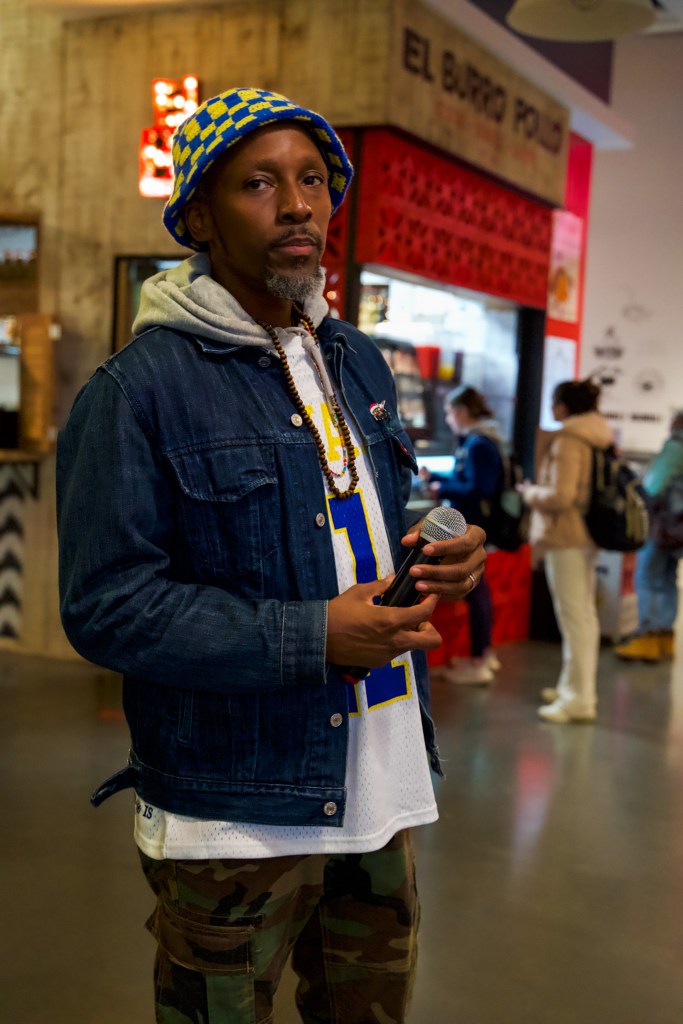
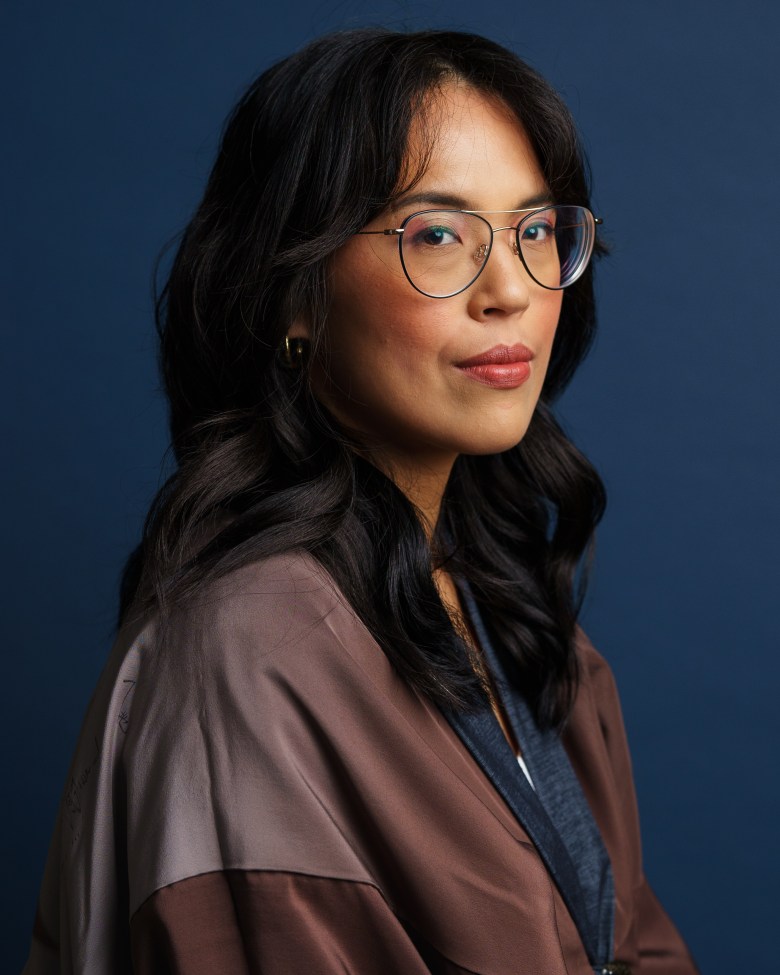
Jewel Wicker, Maurice Garland, and Christina Lee serve as hosts of the podcast, tasked with figuring out just how those eight episodes should be divided up. With seven of the eight episodes already out (the final one drops Dec. 17), the trio has covered everything from the influence of Atlanta’s Black churches on the rest of the world to the city’s status as a Mecca for Black businesses.
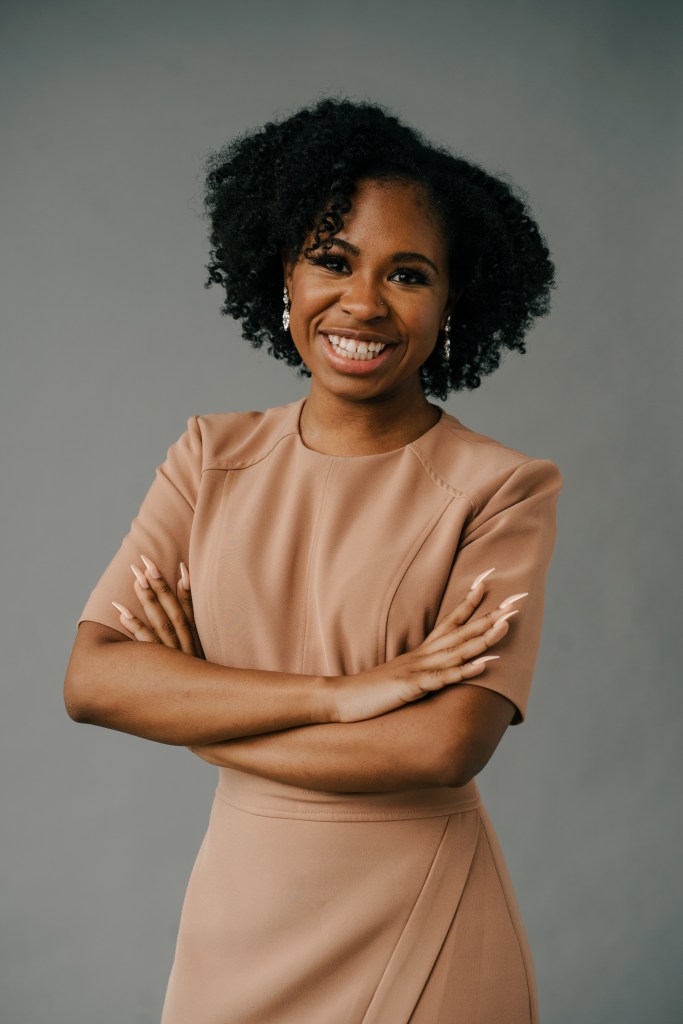
“Those first few months were us sitting down and saying, you guys have this very general, broad concept,” Wicker said. “Within the reporting that the three of us have done over the span of our careers, what are some stories that we’re interested in telling?”
The three hosts bring very different backgrounds to the podcast. Wicker’s family has been in Atlanta since the 1920s. Lee moved to the city from the Washington D.C. metropolitan area in 2009. Garland wasn’t born in Atlanta, but he might as well have been — he and his family moved to the city when he was four years old.
The hosts’ different perspectives help “Atlanta Is…” offer a robust take on the city, telling stories that are personal to them and that they’re passionate about.
“A lot of these stories are about places that we have actually set foot and spent time in. A lot of these stories are about people that we run into all the time or actually know,” Garland said. “I interviewed the dude that owns the barber shop that I go to!”
That personal touch is what makes “Atlanta Is…” such a fun listen, but the hosts faced a singular challenge — making the podcast interesting to locals while still making it accessible to those outside of the city. The stories on the podcast are specific to Atlanta and emphasize its reputation as an epicenter of Black culture. But even with that specificity, the stories are still universal, Garland said. When the episode about the 559 — the popular 1990s nightclub that helped fuel the rise of crunk music — was released, Garland said friends from all over the country were reaching out to tell him about similar clubs in their cities.
“We’re still telling very American stories at the same time. I think that’s what makes it palatable to a lot of audiences,” Garland said. “But we are doing ourselves a favor by trying to be as specific as possible and not leaving a lot of room for vagueness or misunderstanding.”
The podcast features interviews with plenty of nationally known names, like Ludacris and Sen. Raphael Warnock. But Lee said that whenever they talked to a celebrity, they tried to present them within contexts that they’d rarely been seen in before. One episode features Ludacris talking about his roots in Atlanta rap radio. Another features Pastor Troy discussing Atlanta’s role as a nexus for Black businesses.
“We had to be conscious of the names that would draw everybody else to the show, but we wanted to be able to talk to them in ways that still seemed novel and exciting for us,” Lee said.
When figuring out how to shape each episode, it was necessary to kill some darlings — after all, some of these episode topics could have stretched on into series-long podcasts themselves. Lee said she was conscious of making sure that the stories they told not only explained Atlanta then, but helped explain the city today.
“First it has to be a compelling story … but then also when you get to the end, is it the story that can really help substantially explain some aspect of how Atlanta’s cultural influence shows up today?” Lee said.
For Wicker, working on the show added more context to events that she experienced first as just a person, not a reporter. One of the episodes tells the story of Morris Brown College losing its accreditation in conjunction with the 2002 movie “Drumline,” which was filmed on Morris Brown’s campus. Morris Brown lost its accreditation around the same time due to financial mismanagement issues. The school’s accreditation was restored in 2022.
“I knew Morris Brown and had a reverence for it, and I obviously knew that they lost their accreditation, and I also knew ‘Drumline,’ obviously – it’s a cult classic,” Wicker said. “But I don’t think I had really put the timeline together … that those two things were happening literally at the same time.”
Garland said that one of his favorite episodes was Episode Six, which considers Atlanta’s reputation as a Mecca for Black businesses. His aforementioned barber shop resides on Peters Street. According to Garland, the owner, Karl Booker, had been hounding him for years about doing a story about the businesses of Peters Street.
“I finally had an opportunity to do that after him telling me that for 20 years,” Garland said.
That’s been one of the real rewards of this podcast, said Wicker — telling stories about slices of Atlanta history that don’t get the shine they deserve.
“We finally get to tell some of the stories that have been untold and give some of those folks a platform to tell their stories in a way that for decades they’ve been wanting to, and no one has given them the chance,” Wicker said.